
Internationalized Domain Names (IDNs) – Empowering Global Web Presence with WebJi®
Internationalized Domain Names (IDNs) are essential for representing diverse languages online. With WebJi®, you can efficiently manage your IDNs and ensure a smooth transition to internationalized domain names.

Defining IDNs and Significance
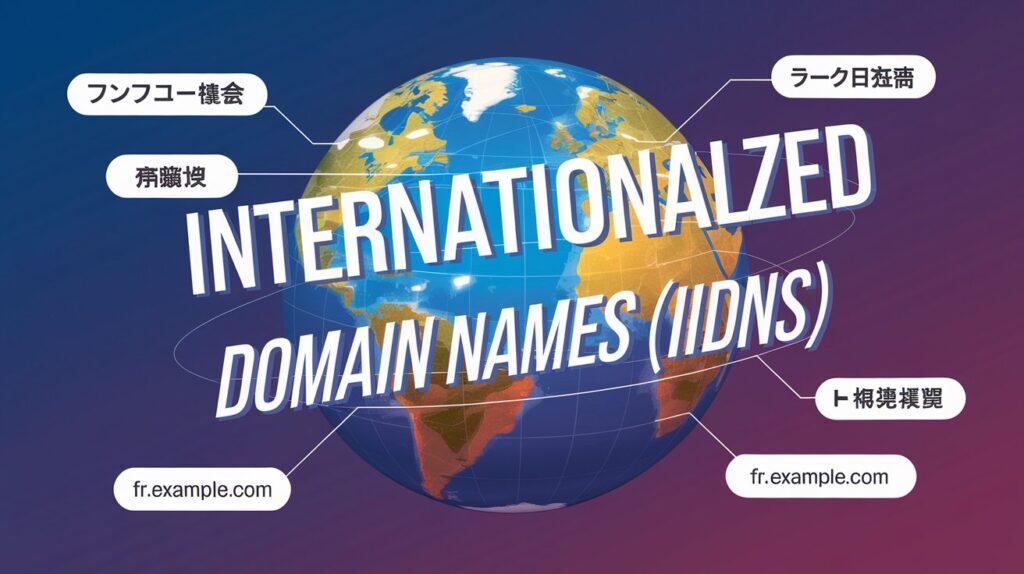
Internationalized Domain Names (IDNs) are web addresses that can include characters from various scripts, allowing users to register domains in native languages. This opens up the internet, making it more accessible for people from different linguistic backgrounds. By using localized domain names, IDNs enhance digital inclusion and reflect cultural diversity, making the web a friendlier space for everyone.
The importance of IDNs goes beyond convenience. They play a crucial role in global communication. As more individuals and businesses move online, having domain names that use local languages becomes essential. This helps organizations connect better with audiences, fostering community ties and collaboration across different regions.
Technical Underpinnings of IDNs
The technology behind IDNs involves several key elements that ensure they work effectively. Unicode is the main character encoding system that allows for various scripts. However, since traditional DNS uses ASCII-compatible encoding, Punycode comes into play. It converts non-ASCII characters into a format that DNS can understand.
Even with these improvements, using IDNs within existing technological frameworks presents some compatibility issues, especially with older web browsers and email clients. To resolve these problems, ongoing updates to technology standards are necessary. Also, strong cybersecurity measures should be in place to protect against risks like phishing that could exploit the vulnerabilities of IDNs.
By grasping the technical elements of IDNs, we can appreciate role in creating a more accessible and culturally relevant internet. This ultimately enhances the user experience across different digital landscapes.
IDN Program Projects and Initiatives
The IDN Program plays a key role in changing how we think about global domain names. It aims to include non-Latin scripts in the domain name system, allowing users to access online content in native languages. This inclusion helps improve internet accessibility and promotes cultural diversity by supporting localized domain names.
One major focus of the IDN Program is developing policies that make it easier for people to register domain names in various scripts. This ensures that both individuals and organizations can choose names that fit language and culture. It’s also essential to enhance technology standards for IDN functionality. By improving these standards, we ensure better usability across web browsers and email applications, which makes the user experience smoother.
Collaboration with registries is another crucial part of this program. By working together, different stakeholders can streamline the implementation of IDNs. This cooperation strengthens DNS server capabilities, making the web more accessible for everyone while enriching the overall online environment.
Second-Level Domain (SLD) Implementation
Implementing Internationalized Domain Names at the second level brings its own set of challenges and opportunities. Creating user-friendly domain structures is vital to help users move seamlessly between ASCII and non-ASCII domain names. Clear guidelines are necessary for promoting consistency in selecting domain names, enabling users to make informed choices.
Organizations should focus on incorporating linguistic diversity into domain strategies. This not only acknowledges local populations but also enhances digital identity. Utilizing second-level LGR tools can be beneficial here. These tools offer insights into best practices for specific languages, which can significantly improve browser compatibility. They help registries and users select the right character sets, facilitating smoother domain management.
Advantages of Using IDNs
Internationalized Domain Names (IDNs) open up a world of opportunities for better internet accessibility and inclusivity. By allowing non-Latin scripts, IDNs make online experiences more relatable to users from different linguistic backgrounds. This localization helps break down language barriers, leading to higher internet usage in areas where local languages are prevalent.



Innovations in IDN Technology
The rise of Internationalized Domain Names (IDNs) has been a game-changer in how we use the internet. Thanks to the progress in technology, these domain names have become not only more efficient but also much easier for everyone to use. New improvements in Punycode and Unicode encoding methods help show non-Latin scripts more accurately, making the web more accessible.
DNS server architecture has also seen enhancements that help manage IDN queries better. This means web browsers can get the right name resolutions faster, which is crucial for a smooth user experience. By adopting the latest technology standards that support IDNs, we can create a more inclusive digital landscape that allows people from different linguistic backgrounds to easily access online content.
Plus, artificial intelligence (AI) and machine learning are stepping into the picture. These technologies simplify IDN management by automating important tasks like domain monitoring and cybersecurity efforts. Understanding these advancements allows organizations to fully utilize the potential of IDNs in our connected world.
Emerging Applications and Use Cases
IDNs are stretching far beyond just website addresses; they are finding new uses in various fields. Social media platforms, for instance, are beginning to allow multilingual domains. This helps users create accounts and interact in native languages, boosting internet accessibility.
In e-commerce, businesses using localized domain names can connect with a wider audience. This not only promotes a strong digital identity but also respects regional languages and cultures. Such a localization strategy helps businesses foster community collaboration through tailored online experiences.
With the growth of the Internet of Things (IoT), IDNs are becoming essential for enabling devices to talk to each other in different languages. This capability makes global communication smoother and highlights the need for companies to actively explore and integrate IDNs in operations.
The Importance of Global Domain Names
Global domain names are key in today’s digital world. They help individuals and organizations build a strong online presence, representing themselves locally while connecting with a global audience. Internationalized Domain Names (IDNs) make it easy for users to create domain names in native languages and scripts, which opens the door to an inclusive online space.
Country-code top-level domains (ccTLDs) are essential for showing regional identities. By using ccTLDs, websites can better localize content, making it more relevant to specific audiences. This improves user experience and makes the internet more accessible for those who may not speak English as their first language. In short, global domain names bridge cultural gaps while enhancing digital visibility.
Challenges and Opportunities in ccTLD Management
Managing ccTLDs comes with its own set of challenges and opportunities. Language barriers can make it tough for users to find way around websites that aren’t in native tongue, causing confusion and frustration. Cultural differences also demand personalized approaches to domain management, highlighting the need for strategies tailored to engage specific groups effectively.
But here’s the silver lining: overcoming these challenges can lead to exciting opportunities. A well-thought-out ccTLD strategy can foster economic growth and encourage local collaboration. Businesses that manage ccTLDs wisely can tap into nearby markets, boosting visibility and resonance with users who appreciate cultural connection. Facing these challenges head-on allows companies to strengthen market position while nurturing community ties.
Challenges in IDN Implementation and Usage
While Internationalized Domain Names (IDNs) offer significant benefits in terms of accessibility and localization, implementation and usage come with several challenges. Addressing these challenges is crucial for maximizing the potential of IDNs and ensuring effective integration into the digital landscape. Below are some key obstacles that organizations and users may encounter when adopting IDNs.
Embrace Global Opportunities with Us
Internationalized Domain Names are a gateway to enhancing your online presence and engaging a global audience. With WebJi®’s expertise and comprehensive support, you can effectively navigate the world of IDNs and leverage our benefits to strengthen your brand, improve accessibility, and boost your SEO efforts. Partner with us to unlock new opportunities and expand your digital reach across diverse linguistic landscapes.
Strategies for Overcoming Challenges
To address the hurdles associated with IDN adoption, several meaningful strategies can be used. A key focus should be on implementing strong security measures. Organizations can adopt best practices to combat phishing risks, like using robust authentication methods and providing user education to help identify malicious domains.
Technical solutions should also prioritize compatibility with older systems and browsers. Updating software can improve integration, and collaborating with registries can help create standardized technology solutions for better IDN name resolution.
Community collaboration is vital for building expertise in language-specific domains. Initiatives like training and awareness programs can encourage local communities to engage with IDNs effectively. By emphasizing these strategies, organizations can tackle the challenges of IDN adoption and fully unlock the benefits Internationalized Domain Names offer.
Embrace the Power of IDNs with WebJi®
Internationalized Domain Names represent a powerful opportunity for businesses to expand reach, enhance brand identity, and improve user experience. By embracing IDNs, you can create a truly global web presence that resonates with audiences around the world.
At WebJi®, we are here to help you every step of the way. Whether you are just starting to explore the possibilities of IDNs or are looking to expand your existing domain portfolio, our team of experts is ready to assist you. Contact us today to learn more about how we can help you harness the power of Internationalized Domain Names and take your business to new heights.